
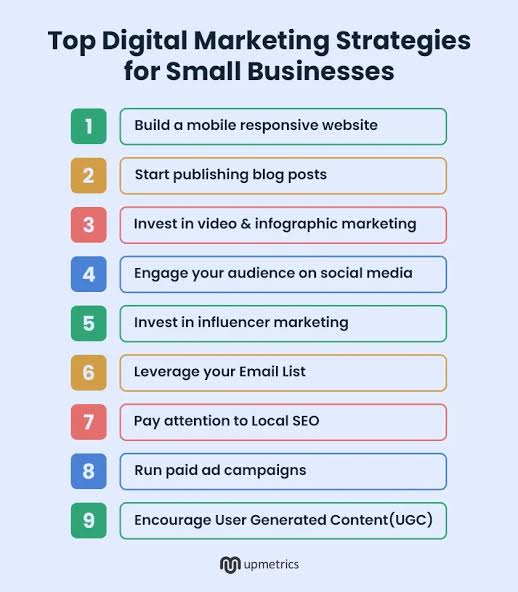
Smart Marketing Strategies for Businesses With Small Budgets, Marketing is essential for every business, regardless of its size or financial resources. However, small businesses often face challenges when competing with larger companies that have bigger advertising budgets and established brands. The good news is that successful marketing does not always require significant investment. With the right strategies, creativity, and consistent effort, small businesses can attract customers, increase sales, and build a strong brand without spending too much money.
Smart marketing focuses on reaching the right audience, creating valuable content, and using affordable digital tools to achieve measurable results.
1. Use Social Media Marketing
Smart Marketing Strategies for Businesses With Small Budgets, Social media platforms such as Facebook, Instagram, TikTok, and LinkedIn provide affordable opportunities to connect with potential customers. Businesses can create free profiles, share product updates, publish useful information, and communicate directly with their audiences.
Instead of posting promotional messages every day, businesses should share a balanced mix of educational content, customer experiences, product demonstrations, and behind-the-scenes activities. For example, a small clothing business can publish styling tips, showcase new arrivals, and share customer reviews.
Consistency is more important than posting excessively. A simple weekly content calendar can help business owners maintain an active online presence without hiring an expensive marketing agency.
2. Focus on Search Engine Optimization
Search engine optimization (SEO) helps businesses attract visitors through unpaid search results. When customers search online for products or services, an optimized website has a better chance of appearing in relevant results.
Small businesses should begin with basic SEO practices, including researching relevant keywords, writing helpful website content, optimizing page titles, and improving website loading speed. Adding clear descriptions to product pages also helps search engines understand the business.
Local businesses can benefit from maintaining an accurate Google Business Profile, including contact details, opening hours, photographs, and customer reviews. These activities can improve online visibility and help potential customers discover nearby services.
3. Create Valuable Content
Content marketing allows businesses to demonstrate their expertise while building trust with potential customers. Useful content can include blog articles, short videos, infographics, tutorials, frequently asked questions, and practical guides.
For example, a small electronics shop could publish tips for maintaining smartphones, while a bakery could share simple recipes or cake-decoration videos. This content attracts people who are interested in the business’s products or services.
Business owners can use free design tools and smartphone cameras to create professional-looking materials. Publishing useful content regularly can support SEO, increase social media engagement, and encourage customers to return.
4. Build an Email Marketing Strategy
Email marketing is a cost-effective way to maintain relationships with existing and potential customers. Businesses can collect email addresses through website subscriptions, purchase registrations, or voluntary sign-up forms.
Regular newsletters can include special offers, product announcements, helpful tips, and personalized recommendations. For example, an online store might send a discount code to customers who have not purchased anything recently.
To improve results, businesses should write clear subject lines, keep messages concise, and include a specific call to action. They should also obtain permission before sending marketing emails and provide an easy way to unsubscribe.
5. Encourage Customer Referrals
Satisfied customers can become a valuable source of new business. Referral marketing encourages existing customers to recommend products or services to friends, relatives, and colleagues.
Small businesses can introduce simple referral programs that reward customers with discounts, loyalty points, or special offers. For instance, a local salon might provide a discount to customers who introduce a new paying client.
Businesses should also encourage genuine customer reviews and respond professionally to feedback. Positive experiences and recommendations can strengthen credibility without requiring large advertising expenses.
6. Collaborate With Other Small Businesses
Partnerships allow businesses to reach new audiences while sharing marketing costs. Two businesses serving similar customers can collaborate on promotions, social media campaigns, events, or bundled offers.
For example, a fitness trainer could partner with a healthy food shop to promote wellness packages. Similarly, a photographer could collaborate with an event planner to recommend each other’s services.
These partnerships work best when both businesses have compatible audiences and clearly defined responsibilities. Collaboration can increase exposure while creating opportunities for long-term relationships.
7. Measure Marketing Performance
Effective marketing requires understanding which activities produce the best results. Businesses should track important indicators such as website traffic, customer inquiries, conversion rates, social media engagement, and sales revenue.
Free tools such as Google Analytics and platform-specific insights can help business owners understand customer behavior. By reviewing results regularly, they can identify successful campaigns and stop spending time or money on ineffective activities.
A small business should begin with a few measurable goals rather than attempting every marketing strategy simultaneously.
Conclusion
Smart marketing strategies help small businesses compete effectively without exceeding their financial limits. Social media marketing, SEO, content creation, email campaigns, customer referrals, and strategic partnerships can all generate meaningful results when implemented consistently.
The key is to understand the target audience, provide genuine value, and measure performance. Instead of spending heavily on every available marketing channel, small businesses should concentrate on the methods that deliver the greatest return. With patience, creativity, and careful planning, even a limited marketing budget can support sustainable business growth.


