
Introduction
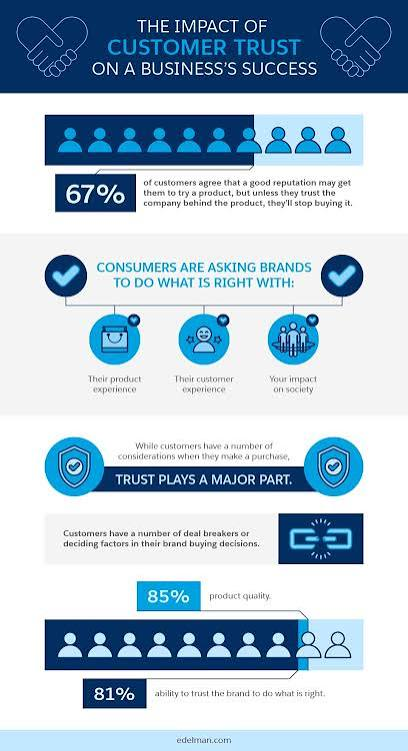
How to Build Customer Trust in a Competitive Market, In today’s competitive business environment, building customer trust is one of the most important factors for long-term success. Customers have many choices when purchasing products or services, making it difficult for businesses to stand out. While competitive pricing and attractive marketing can bring customers, trust encourages them to stay loyal. A trusted business attracts repeat customers, receives positive recommendations, and develops a strong reputation. Therefore, companies must focus on honesty, quality, transparency, and excellent customer service to build lasting relationships.
1. Deliver Consistent Product and Service Quality
How to Build Customer Trust in a Competitive Market, Product and service quality play a major role in building customer trust. Customers expect businesses to deliver what they promise. If a company consistently provides reliable products and services, customers become more confident in choosing it.
Businesses should maintain quality standards, monitor customer feedback, and regularly improve their offerings. Consistency is equally important because customers should receive the same positive experience every time they interact with a brand.
2. Be Honest and Transparent
Honesty is the foundation of customer trust. Businesses should provide accurate information about their products, prices, policies, and services. Hidden charges, misleading advertisements, and unrealistic promises can damage a company’s reputation.
Transparency helps customers make informed decisions. Companies should clearly explain product features, delivery costs, return policies, and any limitations. When businesses communicate openly, customers feel respected and become more comfortable purchasing from them.
3. Provide Excellent Customer Service
Customer service strongly influences how people perceive a business. Friendly, professional, and helpful communication creates a positive customer experience.
Companies should respond to questions quickly, resolve complaints professionally, and provide support through convenient channels such as email, phone, live chat, and social media.
Businesses should also train employees to listen carefully and understand customer concerns. A customer who receives effective support is more likely to develop confidence in the brand and recommend it to others.
4. Protect Customer Data and Privacy
Online security and data protection have become essential for earning customer trust. Customers share personal and financial information when purchasing products or using digital services.
Businesses must protect this information through secure payment systems, strong data protection practices, and responsible information handling. They should also explain how customer data is collected, stored, and used.
Respecting privacy demonstrates responsibility and helps customers feel safe when interacting with a business online.
5. Build a Strong Online Reputation
Customers often research businesses online before making purchasing decisions. Positive reviews, testimonials, and recommendations can influence their confidence in a brand.
Companies should encourage satisfied customers to share genuine experiences on review platforms and social media. They should also respond professionally to negative feedback rather than ignoring complaints or arguing with customers.
A business that acknowledges mistakes and works to resolve problems demonstrates accountability and builds credibility.
6. Maintain Consistent Communication
Regular communication helps businesses develop stronger relationships with customers. Companies can use email newsletters, social media updates, informative blog posts, and personalized messages to keep customers informed.
However, communication should provide value rather than simply promote products. Sharing useful information, product updates, special offers, and practical advice helps customers remain connected with a brand.
Businesses should also listen to customer suggestions and use feedback to improve their products and services.
7. Reward Customer Loyalty
Appreciating existing customers is an effective way to strengthen trust. Loyalty programs, exclusive discounts, reward points, and special offers make customers feel valued.
Businesses should recognize repeat purchases and provide benefits that genuinely improve the customer experience. Personalized recommendations and thoughtful customer appreciation can also encourage long-term relationships.
8. Take Responsibility for Mistakes
No business is perfect, and mistakes can happen. However, the way a company handles problems determines whether customers continue to trust it.
When something goes wrong, businesses should acknowledge the issue, apologize sincerely, and provide a reasonable solution. Avoiding responsibility or blaming customers can damage relationships.
Taking responsibility demonstrates professionalism and shows that customer satisfaction matters more than short-term profits.
Conclusion
Building customer trust in a competitive market requires continuous effort, honesty, and a customer-focused approach. Businesses that deliver consistent quality, maintain transparency, protect customer information, and provide excellent service can develop strong relationships with their audiences. Trust cannot be established overnight, but consistent positive experiences can turn first-time buyers into loyal customers. Ultimately, companies that prioritize customer satisfaction and integrity are more likely to achieve sustainable growth, strengthen their reputation, and succeed in a competitive marketplace.


