
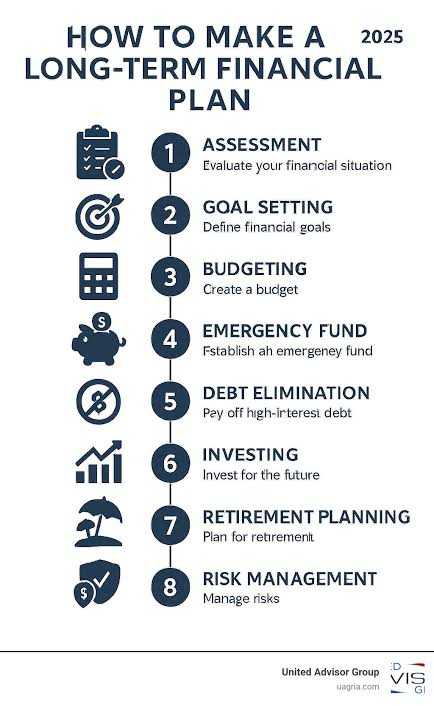
How to Create a Realistic Long-Term Savings Plan, Saving money is one of the most important financial habits for achieving long-term security and independence. Whether you want to purchase a home, fund your children’s education, prepare for retirement, or build an emergency fund, having a proper savings plan can help you reach your financial goals. However, saving successfully requires more than simply putting money aside every month. It involves understanding your income, controlling expenses, setting realistic targets, and maintaining financial discipline.
Here are some practical steps to create a realistic long-term savings plan.
1. Understand Your Financial Situation
How to Create a Realistic Long-Term Savings Plan, The first step is to evaluate your current financial position. Calculate your total monthly income, including salary, freelance earnings, business profits, and other sources of income.
Next, identify your regular expenses, such as rent, groceries, electricity bills, transportation, healthcare, and debt payments. Understanding where your money goes will help you identify unnecessary spending and opportunities to save.
You can use a spreadsheet, budgeting application, or simple notebook to track your income and expenses. This financial overview provides a strong foundation for building a realistic savings strategy.
2. Set Clear and Achievable Savings Goals
A successful savings plan starts with specific financial goals. Instead of simply deciding to save more money, determine exactly what you are saving for and how much you need.
Your goals may include:
- Short-term goals: Buying household appliances, paying annual bills, or saving for a vacation.
- Medium-term goals: Purchasing a vehicle, renovating your home, or funding professional education.
- Long-term goals: Retirement planning, buying property, or building long-term financial security.
Assign a target amount and estimated deadline to each goal. Clear objectives make saving more meaningful and help you stay motivated.
3. Create a Realistic Monthly Budget
A monthly budget helps you balance your essential expenses, personal spending, and savings. One popular approach is the 50/30/20 budgeting rule:
- 50% of income for essential needs.
- 30% for personal wants and lifestyle expenses.
- 20% for savings and debt repayment.
However, this formula is not suitable for everyone. People with lower incomes or higher living expenses may need a different arrangement. Start with an amount you can comfortably save and gradually increase it as your financial situation improves.
The most important thing is consistency rather than following a perfect budgeting formula.
4. Build an Emergency Fund
Unexpected expenses can interrupt even the best financial plans. Medical bills, job loss, vehicle repairs, or urgent household expenses can create financial pressure.
An emergency fund provides protection against these situations. Ideally, aim to save enough to cover three to six months of essential living expenses.
If this target seems difficult, start small. Saving a fixed amount every month will gradually help you build a financial safety net.
Keep emergency savings somewhere accessible and separate from your regular spending account.
5. Automate Your Savings
One effective way to maintain financial discipline is to automate your savings. Arrange an automatic transfer from your income account to a separate savings account whenever you receive your salary.
This approach reduces the temptation to spend money before saving it. It also makes saving a regular financial habit rather than something you do only when extra money is available.
Even small automatic contributions can produce meaningful results over several years.
6. Reduce Unnecessary Expenses
Review your spending habits and identify areas where you can reduce costs without affecting your quality of life.
For example, consider limiting unnecessary shopping, reducing food delivery expenses, cancelling unused subscriptions, and comparing prices before making purchases.
You can also save money by preparing meals at home, using public transportation when practical, and avoiding impulsive purchases.
Small savings may appear insignificant individually, but they can make a considerable difference over time.
7. Manage Debt Effectively
High-interest debt can make long-term saving more difficult. Credit card balances, personal loans, and other expensive borrowing arrangements may consume a significant portion of your income.
Prioritize paying down high-interest debt while maintaining a small emergency reserve. Once expensive debt is under control, redirect the money previously used for repayments toward your savings goals.
Responsible debt management improves financial stability and creates more opportunities to save.
8. Consider Long-Term Investment Options
Saving money protects your financial resources, while suitable investments may help your wealth grow over time.
Depending on your financial goals, risk tolerance, and local regulations, you can explore savings accounts, fixed-income products, government securities, mutual funds, or other regulated investment opportunities.
Understand the risks, fees, liquidity, and expected returns before investing. Avoid schemes promising guaranteed unusually high profits.
For people seeking Shariah-compliant options, Islamic savings accounts and Shariah-compliant investment funds may also be worth exploring.
9. Review and Adjust Your Savings Plan
Your financial situation may change because of salary increases, family responsibilities, inflation, or unexpected expenses. Therefore, review your savings plan every three to six months.
Check whether you are meeting your targets and whether your monthly contributions remain realistic. Increase savings when your income improves and adjust your budget when necessary.
Flexibility helps you maintain long-term financial discipline without feeling overwhelmed.
Conclusion
Creating a realistic long-term savings plan is an important step toward financial independence and peace of mind. By understanding your income, setting achievable goals, preparing a monthly budget, building an emergency fund, and controlling unnecessary expenses, you can gradually improve your financial position.
Remember that successful saving does not depend on earning a huge income. It depends on making sensible financial decisions and remaining consistent over time. Start with small contributions, review your progress regularly, and allow your savings habits to grow with your financial goals.


