
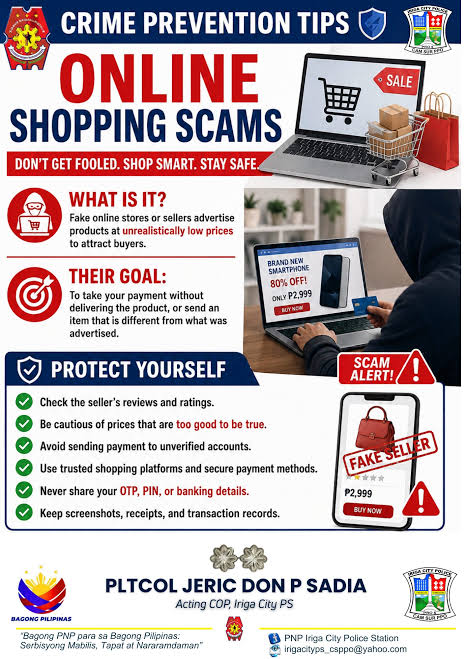
How to Avoid Common Online Shopping Scams, Online shopping has become an essential part of modern life, offering convenience, variety, and competitive prices. Customers can purchase clothing, electronics, groceries, and household products without leaving their homes. However, the growing popularity of online shopping has also created opportunities for scammers to deceive unsuspecting buyers. Fake websites, misleading advertisements, counterfeit products, and payment fraud can cause financial losses and disappointment. Understanding common online shopping scams and learning how to recognize warning signs can help consumers shop safely and confidently.
1. Buy from Trusted Websites
How to Avoid Common Online Shopping Scams, One of the easiest ways to avoid online shopping scams is to purchase products from reputable websites and established online stores. Before placing an order, research the seller and check whether the business has a genuine online presence.
Look for customer reviews, contact information, business details, and clear return policies. Be cautious when dealing with unfamiliar websites that have recently appeared or offer limited information about their owners. A professional-looking website does not necessarily guarantee that a seller is trustworthy.
Check the website address carefully for spelling mistakes or unusual domain names. Although HTTPS and the padlock symbol indicate an encrypted connection, they do not prove that a website is legitimate.
2. Be Careful with Unrealistic Discounts
Extremely low prices are a common method scammers use to attract customers. An advertisement might offer an expensive smartphone, branded clothing, or electronic equipment at a fraction of its normal price.
While genuine discounts exist, offers that seem too good to be true deserve extra attention. Scammers often use attractive prices to encourage quick purchases before customers have time to investigate.
Compare prices across several trusted stores before making a decision. If a seller offers a popular product at an unusually low price, verify its authenticity and check the seller’s reputation. Avoid making purchases simply because an advertisement claims that an offer will expire within minutes.
3. Check Customer Reviews Carefully
Customer reviews can provide valuable information about product quality, delivery services, and seller reliability. However, scammers sometimes create fake reviews to make their businesses appear trustworthy.
Read both positive and negative reviews instead of relying entirely on the overall rating. Look for detailed feedback from customers who describe their experiences with ordering, delivery, packaging, and refunds.
Be suspicious of stores with numerous identical reviews, repeated promotional language, or an unusual number of five-star ratings published within a short period. Search for independent reviews on other platforms to gain a more balanced understanding of the seller.
4. Use Secure Payment Methods
Payment security is another important part of safe online shopping. Whenever possible, use reputable payment services or credit cards that provide suitable transaction monitoring and dispute procedures.
Avoid sending money directly to unknown individuals through irreversible payment methods. Never share your banking password, one-time password (OTP), PIN, or card security code with a seller who requests it through a phone call, message, or social media chat.
In Pakistan, cash on delivery may be useful when shopping with unfamiliar sellers, but it does not eliminate every risk. Check the package and available delivery details before accepting it, and remember that opening a parcel before payment depends on the courier’s policy.
5. Avoid Suspicious Links and Messages
Scammers frequently send fake messages claiming that a package is delayed, a payment has failed, or a customer must pay an additional delivery fee. These messages may contain links to fraudulent websites designed to steal personal or financial information.
Do not click suspicious links received through email, SMS, or social media. Instead, visit the retailer’s official website or use its verified application to check your order status.
Be particularly careful with messages that create urgency or threaten account suspension. Genuine companies generally provide official ways to verify important account and delivery information.
6. Understand Return and Refund Policies
Before purchasing a product, read the seller’s return, exchange, and refund policies. Reliable businesses usually explain the conditions for returning damaged, incorrect, or defective items.
Check the expected delivery time, shipping charges, warranty information, and refund process. Save screenshots of the product description, advertised price, order confirmation, and payment receipt.
If a seller refuses to explain its policies or repeatedly changes the conditions after receiving payment, consider shopping elsewhere.
7. Protect Your Personal Information
Online stores generally need certain information, such as your delivery address and contact number, to complete an order. However, they should not require unnecessary sensitive information.
Use strong, unique passwords for shopping accounts and enable two-factor authentication when available. Avoid saving payment details on unfamiliar websites, and keep your phone, browser, and security software updated.
Whenever possible, avoid making payments through public Wi-Fi networks unless you use a trusted, secure connection.
8. Know What to Do If You Are Scammed
If you suspect that you have been scammed, contact your bank or payment provider immediately to report the transaction and ask whether it can be stopped or disputed. Change any compromised passwords and secure your accounts.
Keep copies of receipts, messages, seller details, and transaction records. Report fraudulent activity to the relevant platform and appropriate authorities. In Pakistan, consumers can also seek guidance from their bank, payment provider, or relevant consumer-protection authority.
Conclusion
Avoiding online shopping scams requires awareness, patience, and careful decision-making. Buying from reputable sellers, checking reviews, recognizing unrealistic discounts, using secure payment methods, and protecting personal information can significantly reduce the risk of fraud. Consumers should never allow pressure or excitement over a bargain to replace common sense. By following these practical precautions, shoppers can enjoy the convenience of online shopping while protecting their money, privacy, and peace of mind.


