
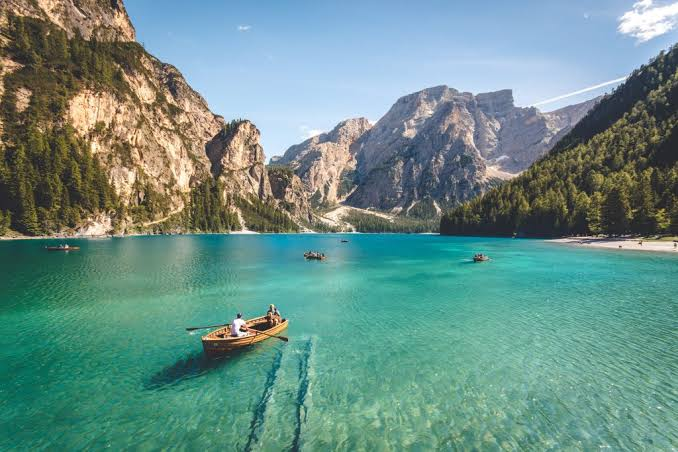
The Benefits of Slow Travel: Exploring Places at Your Own Pace, Travel is often associated with busy schedules, crowded tourist attractions, and visiting as many destinations as possible within a short period. However, a growing number of travelers are discovering a different approach known as slow travel. Instead of rushing from one destination to another, slow travel encourages people to explore places at their own pace, enjoy meaningful experiences, and connect with local communities.
Slow travel is not simply about spending more days in one location. It is about changing the way we experience the world. Whether visiting a small village, exploring a historic city, or relaxing near the beach, this approach offers several benefits that make traveling more enjoyable and rewarding.
1. Enjoy More Meaningful Experiences
The Benefits of Slow Travel: Exploring Places at Your Own Pace, One of the biggest advantages of slow travel is the opportunity to experience destinations more deeply. Traditional travel itineraries often involve visiting several attractions in a single day, leaving little time to appreciate their beauty and significance.
Slow travel allows visitors to explore local streets, discover hidden cafés, visit traditional markets, and interact with residents. Instead of taking photographs and immediately moving to the next attraction, travelers can spend time understanding the history, traditions, and lifestyle of a destination.
These meaningful experiences often create stronger memories than visiting multiple tourist attractions in a hurry.
2. Reduce Travel Stress
Traveling can sometimes become exhausting when every hour is planned around transportation, sightseeing, and reservations. Constantly checking schedules and worrying about missing the next activity can reduce the enjoyment of a trip.
Slow travel provides a more relaxed alternative. Travelers have greater flexibility to wake up naturally, enjoy breakfast, take peaceful walks, and decide what they want to explore during the day.
A flexible schedule also reduces pressure when unexpected situations arise. Instead of feeling frustrated by delays or changes, travelers can adjust their plans and enjoy the journey.
3. Save Money on Travel
Slow travel can also help people manage their travel budgets more effectively. Moving between destinations frequently often increases transportation costs, accommodation expenses, and other travel-related charges.
Staying longer in one location can provide opportunities to find affordable accommodation, use public transportation, and prepare meals using local ingredients.
Travelers can also avoid expensive tourist restaurants by discovering smaller local food businesses. These choices not only reduce expenses but also provide opportunities to experience authentic local cuisine.
With careful planning, slow travel can make longer holidays more affordable without sacrificing quality.
4. Connect With Local Culture
Understanding local culture is one of the most rewarding aspects of traveling. Every destination has its own traditions, food, language, festivals, and everyday lifestyle.
Slow travel gives visitors enough time to experience these cultural elements naturally. They can attend local events, visit historical neighborhoods, learn traditional cooking methods, and communicate with residents.
For example, spending several days in a traditional European town or a Pakistani mountain village can provide a better understanding of local life than a short sightseeing visit.
These interactions encourage cultural appreciation and help travelers develop a broader perspective of the world.
5. Support Local Businesses
Choosing slow travel can positively affect local economies. When visitors spend more time in a destination, they are more likely to purchase products and services from small businesses.
Local restaurants, independent hotels, family-owned shops, tour guides, and traditional craft businesses can benefit from this spending.
Instead of depending entirely on large international tourism companies, travelers can contribute directly to communities. Supporting local businesses also helps preserve traditional skills and cultural practices.
This creates a more responsible form of tourism that benefits both visitors and residents.
6. Improve Mental Well-Being
Travel can provide an opportunity to disconnect from everyday responsibilities and enjoy a change of environment. However, a packed travel schedule can sometimes create additional stress.
Slow travel encourages relaxation, mindfulness, and a healthier balance between activities and rest. Walking through peaceful surroundings, enjoying natural landscapes, reading in a quiet café, or watching a sunset can help people feel refreshed.
Having fewer travel commitments also creates time for reflection and personal enjoyment.
For people with busy lifestyles, this approach can make holidays feel more restorative and meaningful.
7. Encourage Sustainable Tourism
Frequent transportation between destinations can increase fuel consumption and environmental impact. Slow travel encourages visitors to reduce unnecessary movement and explore nearby attractions using walking, cycling, or public transportation.
Spending more time in one destination can also reduce the pressure associated with overcrowded tourist locations.
Travelers can make more responsible choices by avoiding unnecessary waste, respecting local traditions, and choosing environmentally conscious accommodation.
These small decisions contribute to more sustainable tourism practices.
Conclusion
Slow travel offers a refreshing alternative to traditional tourism by focusing on meaningful experiences rather than the number of destinations visited. It allows people to reduce stress, manage expenses, understand local cultures, support small businesses, and enjoy a stronger connection with their surroundings.
The true value of traveling is not measured by how many places someone visits but by the experiences and memories they create along the way.
By slowing down and exploring destinations at their own pace, travelers can discover that sometimes the most rewarding part of a journey is simply enjoying the moment.


