
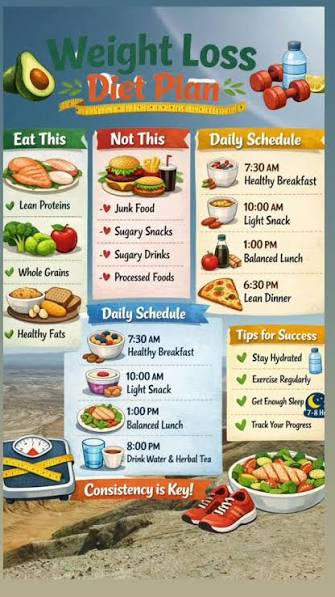
How to Create a Sustainable Weight Management Routine, Maintaining a healthy weight is not just about following a strict diet or spending hours exercising. It is about developing habits that support your physical health, mental well-being, and daily lifestyle. Many people achieve short-term weight loss but struggle to maintain their results because they follow unrealistic routines. A sustainable weight management plan focuses on gradual progress, balanced nutrition, regular physical activity, and consistency.
1. Set Realistic Weight Management Goals
How to Create a Sustainable Weight Management Routine, The first step toward successful weight management is setting achievable goals. Instead of trying to lose a large amount of weight quickly, focus on gradual improvements. Losing approximately 0.5 to 1 kilogram per week is generally considered a reasonable pace for many adults, although individual needs may vary.
Set specific targets, such as improving your eating habits, walking regularly, or reducing sugary drinks. Remember that maintaining your current weight can also be a valuable achievement. Realistic expectations help prevent frustration and encourage long-term commitment.
2. Develop a Balanced Eating Plan
Healthy eating plays a major role in maintaining a suitable body weight. Rather than eliminating entire food groups, include a variety of nutritious foods in your daily meals.
Your diet should contain:
- Protein: Eggs, chicken, fish, beans, lentils, and yogurt.
- Fiber: Vegetables, fruits, whole grains, and legumes.
- Healthy fats: Nuts, seeds, olive oil, and other unsaturated fat sources.
- Complex carbohydrates: Whole-wheat bread, brown rice, and other whole grains.
Try to control portion sizes and avoid eating more than your body needs. You do not have to completely stop enjoying your favourite foods. Occasional treats can fit into a healthy eating routine when portions and overall dietary balance are considered.
3. Make Physical Activity Part of Your Lifestyle
Regular exercise helps burn energy, improve cardiovascular health, strengthen muscles, and support weight maintenance. However, you do not need an expensive gym membership to remain active.
Start with activities that are easy to incorporate into your daily schedule. Walking, cycling, swimming, dancing, and household activities can all contribute to physical fitness.
Aim for at least 150 minutes of moderate-intensity physical activity each week, alongside muscle-strengthening activities on two or more days. If you are a beginner, start slowly and gradually increase your activity level.
Consistency is more important than intensity. A regular 30-minute walk can be more beneficial in the long run than occasional exhausting workouts.
4. Maintain a Consistent Sleep Schedule
Sleep is an important but frequently overlooked part of weight management. Poor sleep can influence hunger-related hormones, increase cravings, reduce energy levels, and make healthy decisions more difficult.
Most adults should aim for seven to nine hours of quality sleep every night. Establish a consistent bedtime, reduce screen exposure before sleeping, and create a comfortable sleeping environment.
A healthy sleep routine supports recovery, improves mood, and makes it easier to maintain other positive lifestyle habits.
5. Stay Hydrated Throughout the Day
Drinking enough water supports digestion, temperature regulation, and normal body functions. Sometimes people confuse thirst with hunger, which may lead to unnecessary snacking.
Keep water available throughout the day and drink regularly, especially during hot weather and physical activity. Replace sugary beverages with water or other unsweetened drinks whenever possible.
However, remember that water alone does not cause weight loss. It works best as part of an overall healthy lifestyle.
6. Monitor Your Progress Without Becoming Obsessed
Tracking your progress can help you understand whether your routine is working. However, daily weight fluctuations are normal and may result from water retention, digestion, hormonal changes, and other factors.
Consider weighing yourself once a week under similar conditions. You can also monitor waist measurements, fitness improvements, energy levels, and how your clothes fit.
If progress slows down, review your eating habits and activity levels instead of immediately adopting an extreme diet. Sustainable weight management requires patience and flexibility.
7. Manage Stress and Emotional Eating
Stress can influence eating behaviour. Some people eat more when they feel anxious, bored, or emotionally overwhelmed, while others lose their appetite.
Develop healthy ways to manage stress, such as walking, reading, praying, meditation, spending time outdoors, or talking to supportive people.
Try to identify emotional eating patterns and distinguish physical hunger from emotional cravings. Maintaining a balanced relationship with food is essential for long-term success.
8. Build Habits You Can Maintain
The most successful weight management routine is one that fits naturally into your lifestyle. Avoid extreme restrictions, unrealistic exercise schedules, and temporary solutions.
Prepare simple meals, plan grocery shopping, keep healthy snacks available, and establish regular activity times. If you miss a workout or enjoy an extra meal, do not consider your progress ruined. Simply return to your usual routine.
Conclusion
Creating a sustainable weight management routine requires more than temporary dieting. It involves developing balanced eating habits, staying physically active, sleeping well, managing stress, and monitoring progress sensibly. Small improvements made consistently can produce meaningful long-term results.
The goal should not simply be to reach a particular number on the weighing scale. It should be to build a healthier lifestyle that you can maintain comfortably for years. With patience, consistency, and realistic expectations, sustainable weight management becomes a natural part of everyday life.


