
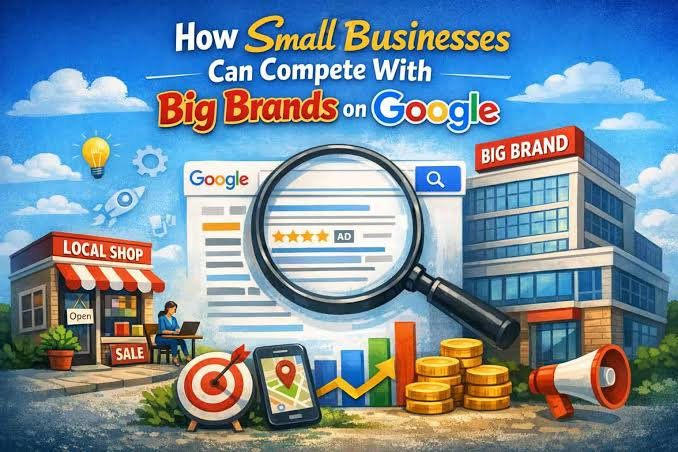
How Small Businesses Can Compete With Big Brands, In today’s competitive business environment, small businesses often find themselves competing against established brands with larger budgets, bigger teams, and greater market recognition. Large companies can spend millions on advertising, offer attractive discounts, and operate across multiple markets. However, having more resources does not always guarantee success. Small businesses have their own advantages, including flexibility, personal customer relationships, creativity, and the ability to respond quickly to changing market needs.
With the right strategies, small businesses can build a strong market presence, attract loyal customers, and compete successfully with major brands.
1. Focus on a Specific Target Audience
How Small Businesses Can Compete With Big Brands, One of the biggest mistakes small businesses make is trying to sell their products or services to everyone. Large brands often target broad audiences, but smaller companies can achieve better results by focusing on a specific customer group.
For example, instead of selling clothing to everyone, a small business could specialize in affordable office wear, handmade fashion, or comfortable clothing for students.
Understanding a specific audience makes it easier to develop suitable products, create relevant marketing campaigns, and communicate with potential customers. A clearly defined target market also helps businesses use their limited resources more effectively.
2. Deliver Exceptional Customer Service
Customer service is one area where small businesses can compete effectively with large companies. Major brands often handle thousands of customers through automated systems, making personal communication difficult.
Small businesses can offer a more personal experience by responding quickly to questions, understanding individual requirements, and resolving complaints professionally.
Remembering customer preferences, providing helpful recommendations, and following up after purchases can create lasting relationships. When customers feel valued, they are more likely to return and recommend the business to others.
Excellent customer service can become a competitive advantage that larger companies may struggle to replicate.
3. Build a Strong Online Presence
A professional online presence is essential for businesses of every size. Small businesses no longer need expensive advertising campaigns to reach potential customers.
A well-designed website, active social media accounts, and a properly optimized Google Business Profile can help businesses become more visible online.
Search engine optimization (SEO) is particularly valuable because it allows smaller companies to attract visitors through relevant search queries. Publishing useful blog posts, answering common customer questions, and using location-based keywords can improve online visibility.
Platforms such as Facebook, Instagram, TikTok, and LinkedIn also provide affordable opportunities to showcase products, share customer experiences, and build brand awareness.
4. Create a Unique Brand Identity
Customers need a reason to choose one business over another. Small businesses should clearly communicate what makes their products or services different.
This could include better quality, locally sourced materials, affordable pricing, specialized expertise, or personalized services.
A consistent brand identity helps customers recognize and remember a business. Elements such as a professional logo, attractive packaging, consistent colors, and a clear brand message contribute to a memorable impression.
Rather than copying large competitors, small businesses should develop an identity that reflects their own values, strengths, and customer promises.
5. Use Customer Feedback to Improve
Large organizations sometimes struggle to implement changes because of complicated management structures and lengthy approval processes.
Small businesses can use their flexibility to respond quickly to customer feedback.
Regularly asking customers about product quality, pricing, delivery, and overall satisfaction can reveal opportunities for improvement. Online reviews, surveys, and direct conversations provide useful information about customer expectations.
Businesses should take both positive and negative feedback seriously. Making improvements based on genuine customer suggestions demonstrates that the company values its audience.
This approach can improve customer satisfaction and help businesses develop products that better match market demand.
6. Use Affordable and Creative Marketing
Marketing does not always require a large budget. Small businesses can generate attention through creative campaigns and consistent communication.
Content marketing is one effective strategy. Sharing educational articles, product demonstrations, helpful videos, and practical tips can attract potential customers without relying entirely on paid advertising.
Referral programs can also encourage existing customers to recommend products or services to friends and family. Collaborating with local influencers, participating in community events, and partnering with complementary businesses can expand brand exposure.
The key is to select marketing activities that reach the right audience rather than spending money on campaigns that produce little value.
7. Adopt Technology and Automation
Technology can help small businesses operate more efficiently and compete with larger organizations. Affordable digital tools can simplify accounting, inventory management, customer communication, and marketing activities.
For example, customer relationship management (CRM) software helps businesses organize customer information and manage follow-ups. Automation tools can schedule social media posts, send order confirmations, and handle routine administrative tasks.
Artificial intelligence (AI) can also support content creation, customer service, market research, and business planning.
By adopting suitable technology, small businesses can reduce operational costs, save time, and focus more attention on growth.
8. Build Customer Loyalty Instead of Chasing Every Sale
Attracting new customers is important, but retaining existing customers can be even more valuable. Loyal customers provide repeat business and often become advocates for a brand.
Small businesses can encourage loyalty through membership benefits, exclusive offers, personalized discounts, and reliable product quality.
Maintaining communication after a purchase also helps strengthen customer relationships. Instead of focusing only on immediate sales, businesses should aim to provide consistent value throughout the customer journey.
Conclusion
Competing with big brands does not mean matching their advertising budgets or operational size. Small businesses can succeed by understanding their customers, providing exceptional service, building a recognizable brand, and using technology effectively.
Their greatest strengths often lie in flexibility, personal relationships, specialized products, and the ability to make decisions quickly.
By focusing on customer satisfaction, creative marketing, and continuous improvement, small businesses can establish a strong market position. Success is not always about being the biggest company in the industry; it is about giving customers compelling reasons to choose your business.


