
Introduction
How to Build a Career That Matches Your Strengths, Building a successful career is not just about finding a job or earning a good salary. It is about discovering your natural abilities, understanding your interests, and choosing a professional path where you can perform at your best. Many people spend years working in careers that do not match their strengths, resulting in frustration, stress, and limited professional growth. A career aligned with your abilities can improve job satisfaction, increase confidence, and create better opportunities for long-term success.
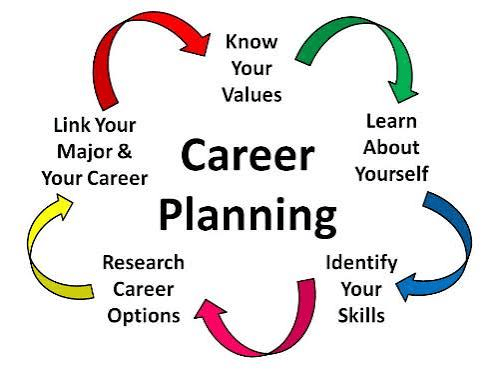
1. Identify Your Natural Strengths
How to Build a Career That Matches Your Strengths, The first step toward building a suitable career is understanding what you are naturally good at. Everyone has different strengths. Some people are excellent at communication, while others have strong analytical, creative, technical, or leadership abilities.
Think about activities that come naturally to you. Consider situations where you have received positive feedback or achieved good results without excessive effort.
You can identify your strengths by:
- Reviewing your previous work experiences.
- Asking colleagues, friends, or mentors for honest feedback.
- Identifying tasks that you enjoy performing.
- Evaluating your problem-solving and decision-making abilities.
- Taking professional skills or personality assessments.
Understanding your strengths gives you a clear starting point for making better career decisions.
2. Understand Your Interests and Values
Strengths alone are not enough to build a fulfilling career. Your personal interests and professional values also matter. You may be excellent at managing people but prefer working independently. Similarly, you might have strong technical skills but enjoy creative assignments more than routine tasks.
Consider what matters most to you in professional life. Some people prioritize financial stability, while others value flexibility, creativity, leadership opportunities, or work-life balance.
Choose a career that reflects both your abilities and personal values. This combination can help you remain motivated even when professional challenges arise.
3. Evaluate Your Existing Skills
Before choosing a career direction, evaluate the skills you already possess. These may include technical knowledge, communication abilities, organizational skills, or industry experience.
Create a list of your current capabilities and compare them with the requirements of your desired career.
For example, someone with strong Excel, reporting, and analytical skills may explore opportunities in business intelligence, financial analysis, or data analytics. A person with excellent communication skills might consider sales management, customer relationship management, or human resources.
This exercise helps identify transferable skills that can support a career transition without starting completely from zero.
4. Research Career Opportunities
Once you understand your strengths and interests, research careers that match your professional profile. Do not choose a profession simply because it is popular or offers attractive salaries.
Explore different industries, job descriptions, salary expectations, growth opportunities, and required qualifications.
Online job platforms, professional networking websites, industry reports, and conversations with experienced professionals can provide valuable insights.
Pay attention to emerging fields such as artificial intelligence, digital marketing, cybersecurity, data analytics, and automation. These industries offer opportunities for individuals willing to develop relevant skills.
The objective is to find a career where your existing strengths can create value while allowing room for future growth.
5. Develop the Skills You Need
Even when you choose a career that matches your strengths, continuous learning remains essential. Professional industries evolve, technologies change, and employers increasingly expect employees to update their knowledge.
Identify the gaps between your current abilities and your desired career requirements. Then create a realistic learning plan.
You can improve your professional capabilities through:
- Online courses and certifications.
- Practical projects and assignments.
- Industry-related books and educational resources.
- Internships and freelance opportunities.
- Mentorship and professional networking.
Focus on practical learning rather than collecting certificates. Employers value people who can demonstrate their knowledge through real-world results.
6. Build a Career Plan
A clear career plan transforms your professional goals into achievable actions. Instead of making vague decisions about your future, establish specific short-term and long-term objectives.
For example, your short-term goal might be learning a new technical skill within three months. Your next objective could be completing two practical projects and updating your professional portfolio.
Long-term goals may include securing a management position, becoming an industry specialist, or establishing an independent business.
Review your progress regularly and adjust your plan when necessary. Career development is a continuous process, and your interests may evolve with experience.
7. Choose the Right Work Environment
A career may match your technical abilities but still feel unsuitable because of the working environment.
Some professionals perform better in collaborative teams, while others prefer independent responsibilities. Certain individuals enjoy fast-paced environments, whereas others produce better results in structured workplaces.
Consider company culture, management style, workload, flexibility, and opportunities for professional development before accepting a position.
The right environment allows you to use your strengths effectively without compromising your personal well-being.
8. Measure Progress and Stay Flexible
Building a meaningful career takes time. You may experience setbacks, unexpected opportunities, or changes in professional interests.
Instead of viewing every challenge as a failure, use these experiences to understand yourself better.
Regularly evaluate your achievements, job satisfaction, financial progress, and skill development. If your current direction no longer matches your strengths, consider making adjustments.
Flexibility allows you to explore new opportunities while maintaining a clear sense of professional purpose.
Conclusion
Building a career that matches your strengths requires self-awareness, research, continuous learning, and thoughtful planning. When your professional responsibilities align with your natural abilities and personal interests, you are more likely to enjoy your work and achieve sustainable success.
Remember that a successful career is not necessarily the one with the highest salary or most impressive job title. It is the one that allows you to use your abilities, develop your potential, maintain financial stability, and find satisfaction in what you do. Start by understanding your strengths, take practical steps toward your goals, and remain open to new opportunities along the way.


