
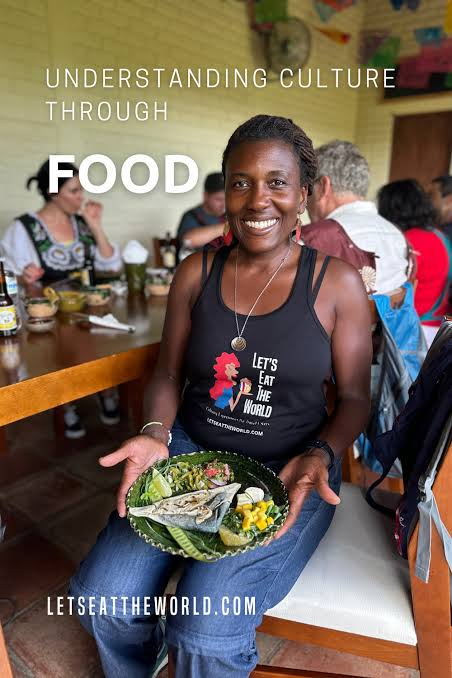
Discovering Local Culture Through Food and Traditions, Every destination has a unique cultural identity shaped by its history, people, traditions, and lifestyle. One of the most enjoyable ways to understand a new place is through its local food and traditional practices. Food is more than something people eat; it reflects their values, history, climate, and social connections. Similarly, traditions provide insight into how communities celebrate special occasions, welcome guests, and preserve their heritage. Exploring local culture through food and traditions allows travelers to experience destinations beyond popular tourist attractions.
1. Understanding Culture Through Traditional Food
Discovering Local Culture Through Food and Traditions, Traditional food tells fascinating stories about a region’s history and lifestyle. Local ingredients, cooking techniques, and recipes are often passed down through generations. These dishes represent the identity of communities and reflect their connection with the surrounding environment.
For example, Pakistani cuisine features biryani, nihari, karahi, and traditional chapati, reflecting regional flavors and culinary influences. Similarly, Italian culture is famous for pasta and pizza, while Japanese cuisine highlights sushi, ramen, and seasonal ingredients.
Trying traditional dishes helps travelers understand the preferences and cultural backgrounds of local communities. Visiting family-owned restaurants, street food markets, and traditional cafés can provide an authentic experience.
2. Exploring Local Markets and Street Food
Local markets are among the best places to discover a destination’s everyday culture. They offer an opportunity to observe how people shop, communicate, prepare meals, and interact with one another.
Street food markets are particularly interesting because they introduce visitors to affordable and authentic local flavors. From freshly prepared snacks to traditional desserts, these markets showcase the creativity of local food vendors.
Travelers can explore regional specialties, watch traditional cooking methods, and learn about ingredients they may never have encountered before. However, choosing clean and hygienic food stalls is important for maintaining food safety during travel.
3. Participating in Cultural Festivals
Cultural festivals provide an excellent opportunity to experience local traditions. Many communities organize celebrations throughout the year to mark religious occasions, seasonal changes, historical events, and important cultural milestones.
For example, Eid celebrations in Pakistan bring families together through special meals, traditional clothing, hospitality, and community gatherings. Chinese New Year is celebrated with family reunions, traditional dishes, decorations, and cultural performances.
Participating respectfully in these celebrations allows visitors to understand the emotional and social importance of traditions. It also creates meaningful memories that go beyond ordinary sightseeing.
4. Learning Traditional Cooking Techniques
Food experiences become even more interesting when travelers participate in local cooking activities. Many destinations offer cooking classes where visitors can learn traditional recipes directly from local cooks.
These experiences may include preparing handmade pasta in Italy, making sushi in Japan, or learning to prepare traditional Pakistani dishes using regional spices.
Cooking with local people provides practical knowledge about ingredients, preparation methods, and family traditions. It also creates opportunities to communicate with residents and develop a deeper appreciation of their culture.
5. Understanding the Importance of Hospitality
Hospitality is an important part of cultural identity in many societies. Different communities express generosity and respect through food, invitations, and traditional welcoming practices.
In Pakistan, offering tea, snacks, and homemade meals to guests is a common expression of hospitality. In other cultures, sharing bread, coffee, or traditional sweets represents friendship and respect.
Travelers should take time to understand local customs, including dining etiquette, appropriate greetings, and expectations when visiting someone’s home. Respecting these practices helps build positive relationships with local communities.
6. Discovering Traditional Clothing, Music, and Customs
Culture extends beyond food and celebrations. Traditional clothing, music, dance, handicrafts, and everyday customs also contribute to a destination’s identity.
For instance, regional clothing in Pakistan reflects differences in geography, climate, and cultural heritage. Traditional music and folk dances often communicate historical stories and community values.
Travelers can visit cultural museums, attend local performances, and explore traditional craft markets to understand these cultural expressions. Supporting local artisans also helps preserve traditional skills and provides economic benefits to communities.
7. Respecting Cultural Differences
While discovering new cultures, travelers should remain open-minded and respectful. Customs that seem unfamiliar may have deep historical or religious significance.
It is important to ask permission before photographing people, respect religious places, follow local dress expectations, and avoid criticizing unfamiliar practices.
Learning a few basic words in the local language can also make interactions more meaningful. Showing genuine interest and respect encourages cultural exchange and creates a welcoming environment.
8. Supporting Local Communities Through Cultural Tourism
Choosing locally owned restaurants, traditional markets, independent guides, and family-run accommodation helps support small businesses.
Responsible cultural tourism contributes to local employment and encourages communities to preserve their traditional food, crafts, and celebrations.
Travelers can make a positive difference by purchasing handmade products, avoiding exploitative cultural experiences, and learning about the people behind local traditions.
Conclusion
Discovering local culture through food and traditions is one of the most rewarding aspects of traveling. Traditional dishes, local markets, festivals, hospitality, and cultural activities provide valuable insights into the identity of a destination. These experiences help travelers connect with local communities and appreciate the diversity of human traditions. Instead of simply visiting famous attractions, taking time to understand local lifestyles makes every journey more meaningful, educational, and memorable.


