
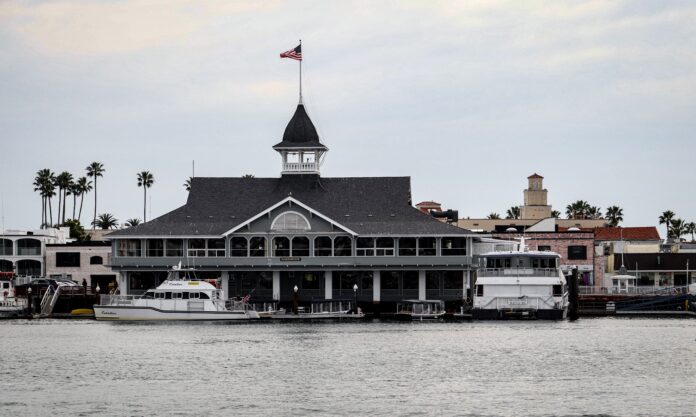
A boat refit in Newport Beach is easiest to manage when it starts with a written plan rather than a pile of last-minute purchases. Salt air, sun exposure, vibration, and regular use around Newport Harbor can reveal weak fittings, aging wiring, tired pumps, and corroded hardware. Before ordering anything, document the boat’s make, model, engine hours, past repairs, known defects, and the work completed by prior owners or service providers.
For lighting and other replacement components, boat owners comparing Barnegat lighting options can use MMI Marine as a practical parts reference. Based in Newport Beach, California, Mmi Marine supplies marine hardware, equipment, accessories, and electrical components for yacht owners, dealers, and boatbuilders. Its long-standing focus on marine parts makes it a useful starting point for checking applications, fitment details, and compatible replacements before beginning a Southern California refit.
Start With A Refit Plan
Create three project categories before removing a panel or opening a locker:
- Required for safe operation: Items affecting flotation, fire safety, steering, fuel systems, bilge control, and watertight integrity.
- Needed for dependable performance: Maintenance and repairs that reduce the chance of overheating, battery failure, leaks, or equipment damage.
- Optional upgrades: Improvements to lighting, storage, comfort, appearance, or onboard convenience.
Take clear photos of wiring labels, hose routing, fittings, mounting holes, and terminal locations before disassembly. Keep notes on dimensions and part numbers. Those records can prevent a small replacement job from turning into several rounds of incorrect orders.
Why Safety Comes First
Safety equipment should be easy to reach, in usable condition, and appropriate for the boat and where it operates. Review life jackets, fire extinguishers, visual distress equipment, sound-producing devices, emergency communication tools, first-aid supplies, and navigation lights. The U.S. Coast Guard’s recreational boating guidance is a useful resource for reviewing federal requirements and safety topics, while California boaters should also confirm applicable state and local rules.
Inspect The Hull, Deck, And Through-Hulls
Begin below and around the waterline. Look for cracks, blisters, impact marks, rust staining, loose hardware, damp lockers, and soft areas in the deck. Inspect every accessible seacock, strainer, hose, hose clamp, and below-waterline fitting. Each valve should be reachable and should move without excessive force.
Hull And Bilge Checklist
- Operate seacocks and inspect for corrosion or stiffness.
- Replace brittle, cracked, swollen, or chafed hoses.
- Confirm clamps are secure and appropriate for the connection.
- Clean raw-water strainers and check their covers and seals.
- Test bilge pumps and float switches at the dock.
Do not cover a through-hull or service connection with a permanent cosmetic installation. A clean-looking compartment is not helpful if a future inspection or emergency repair requires destructive access.
Review Engine And Mechanical Systems
Check engine oil, coolant, belts, fuel filters, raw-water impellers, exhaust hoses, battery connections, and visible fuel lines. Milky oil, fuel odor, overheating, weak cooling-water flow, unusual vibration, or a new mechanical noise deserves investigation before the boat returns to regular use. Record engine hours and service dates in one maintenance log.
Owners can handle many visual checks, cleaning tasks, and recordkeeping jobs. Engine diagnosis, fuel system work, steering repairs, and complex cooling issues are better handled by a qualified marine technician. Replacing an aging hose during a planned refit is generally far simpler than troubleshooting an overheated engine away from the dock.
Update Electrical Systems Carefully
Inspect batteries, terminals, bus bars, fuse holders, switches, chargers, shore-power connections, and accessible cable runs. Green corrosion, loose terminals, melted insulation, unsupported cable, or unlabeled wiring should move up the priority list. Use marine-rated components suitable for the intended circuit, provide appropriate overcurrent protection, and label both ends of every wire added during the refit.
Test one circuit at a time rather than waiting until the project is complete. This makes it easier to locate a wiring error, a weak connection, or an incompatible switch before other systems conceal the problem.
Choose Lighting By Application
Navigation lights, anchor lights, spreader lights, courtesy lights, reading lights, and work lights serve different purposes. Confirm voltage, current draw, beam angle, mounting depth, water resistance, switch compatibility, and the dimensions of the existing cutout before choosing a replacement. Appearance matters, but correct placement and function matter more.
After installation, test the exterior and navigation lighting at night from both the helm and nearby deck areas. Check for glare on windshields, reflections on stainless hardware, and light spill that makes it harder to see beyond the bow.
Refresh Plumbing And Deck Hardware
Inspect freshwater pumps, filters, tanks, faucets, drain lines, water heaters, sanitation hoses, and fittings. Look for slow flow, leaks, odor, pump cycling, cracked plastic, and mismatched threads or hose sizes. Flush tanks and clean strainers before a longer trip.
On deck, examine cleats, rails, hinges, latches, handholds, boarding ladders, swim-platform hardware, and cockpit fittings. Movement around a fastener can indicate that bedding has failed or water has reached the deck core. Give overlooked items the same attention as major hardware, including locker hinges, cabinet catches, door rollers, canvas snaps, and dock-line chafe points.
How To Choose Parts And Prioritize Spending
- Record the original manufacturer, model number, and part number when available.
- Measure the opening, mounting pattern, hose diameter, wire size, or fitting thread.
- Confirm voltage, amperage, pressure, temperature, and material ratings.
- Verify that the replacement is intended for marine use.
- Keep the old part until the new one is installed and tested.
Organize the budget as a simple list for each system: identify the problem, the needed part, the expected labor, the urgency, and the target completion date. Fund hull integrity, steering, fuel, fire safety, bilge systems, and electrical protection first. Next, address work that prevents leaks, corrosion, breakdowns, or damage. Leave appearance and comfort upgrades for last.
Finish With A Dock Test And Short Trial
A refit is complete only after all affected systems have been tested. At the dock, run pumps, lights, electronics, fans, charging equipment, and other loads. Inspect for water leaks, heat, odor, vibration, and unexpected noise. Open every hatch, locker, door, and access panel touched during the work, then take a short local trial before committing to a longer coastal trip.
A voluntary vessel safety check can provide another useful pre-season review, as inspectors typically inspect items such as life jackets, registration, navigation lights, ventilation, fire extinguishers, and distress signals. Update your maintenance log, retain receipts, note wiring changes, and carry a concise spare-parts list before casting off.
Refit With Confidence, Not Assumptions
A successful Newport Beach boat refit is not measured by the number of new parts onboard. It is measured by whether the boat is safer, easier to maintain, and ready to perform reliably. Inspect in a sensible order, measure carefully, select compatible marine-grade equipment, and test each repair before the next outing.


